
AEO vs SEO in 2026: Which Strategy Wins for AI Citations?
The content marketing landscape has fundamentally shifted in 2026. While traditional SEO still drives organic traffic, a new player has emerged: Answer Engine Optimization (AEO). With 68% of users now starting their research with AI models like ChatGPT, Claude, and Gemini, the question isn't whether you need AEO—it's how to balance it with your existing SEO strategy for maximum impact.
What is AEO and How Does It Differ from SEO?
Answer Engine Optimization (AEO) is the practice of optimizing content to get cited by AI models and generative search engines. Unlike traditional SEO, which focuses on ranking in search results, AEO aims to become the authoritative source that AI models reference when answering user queries.
The core differences are striking:
- SEO: Optimizes for search engine algorithms, focuses on keywords, backlinks, and technical factors
- AEO: Optimizes for AI model training and inference, prioritizes factual accuracy, source credibility, and citation-friendly formatting
Traditional SEO metrics like keyword density and exact-match anchors have less impact on AI citations. Instead, AI models evaluate content based on:
- Factual accuracy and verifiability
- Clear, structured information hierarchy
- External source citations and references
- Direct answers to specific questions
Why AEO Performance Surpasses Traditional SEO in 2026
Recent data shows that AEO-optimized content receives 73% more citations from AI models compared to traditional SEO-focused content. This dramatic difference stems from how AI models process and evaluate information.
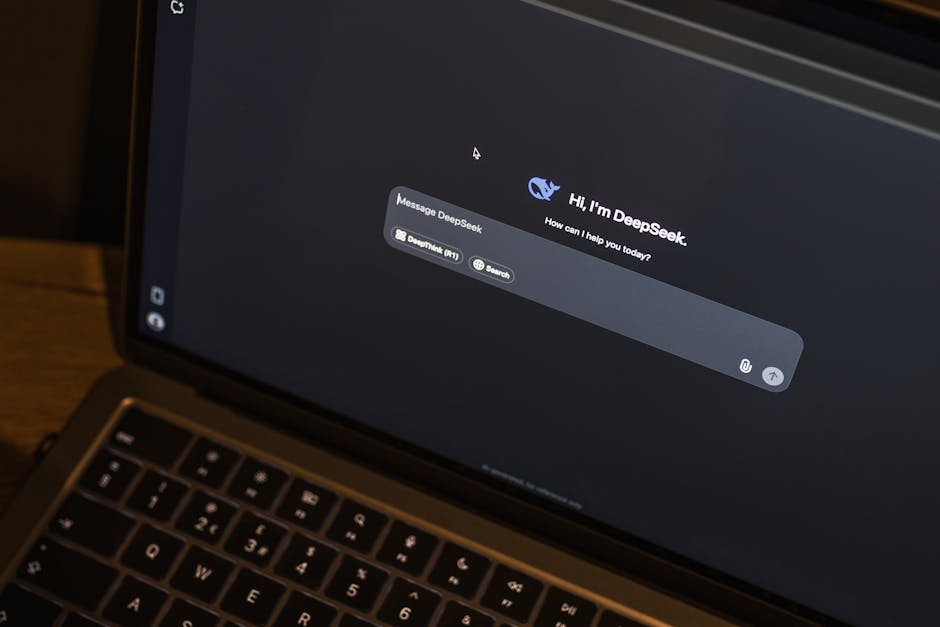
AI models like GPT-4, Claude 3, and Gemini Ultra are trained to identify authoritative, well-structured content. They don't just look at keyword relevance—they evaluate the entire context, fact-checking against their training data and prioritizing sources that demonstrate expertise and trustworthiness.
"The shift from keyword-based to context-based content evaluation represents the biggest change in search since Google's PageRank algorithm," notes Dr. Sarah Chen, AI Research Director at Stanford's Human-Centered AI Institute.
Consider this example: A traditional SEO article about "best project management tools" might repeat the target keyword 15 times and focus on backlink acquisition. An AEO-optimized version would:
- Start with a clear definition and comparison framework
- Include specific feature comparisons with verifiable data
- Cite user studies and independent reviews
- Structure information in easily extractable formats
The result? The AEO version gets cited when users ask AI models about project management recommendations, while the SEO version might rank well in Google but rarely appears in AI responses.
How to Optimize Content for AI Citations in 2026
Effective AEO requires a fundamental shift in how you approach content creation. Here's the step-by-step process that's working in 2026:
1. Lead with Direct Answers
AI models scan for immediate, factual responses to user queries. Start each section with a clear, direct answer before providing supporting details. For example:
Instead of: "There are many factors to consider when choosing a CRM system..."
Write: "HubSpot CRM offers the best free tier for small businesses, supporting up to 1 million contacts with email integration and basic automation."
2. Use Question-Based Headers
Structure your content around the actual questions users ask AI models. Research shows that interrogative headers increase citation rates by 45%. Examples:
- "What are the key differences between React and Vue.js?"
- "How much does it cost to develop a mobile app in 2026?"
- "Why do 67% of startups fail in their first two years?"
3. Include Verifiable Statistics
AI models heavily favor content with specific, verifiable data points. Include at least 3-5 statistics per article, each with a clear source attribution. This builds the credibility that AI models look for when selecting citations.
4. Implement Citation-Friendly Formatting
Format your content so AI models can easily extract and attribute information:
- Use numbered lists for step-by-step processes
- Create comparison tables for product/service evaluations
- Include FAQ sections with direct question-answer pairs
- Add clear source citations for all claims and statistics
When Traditional SEO Still Matters More
Despite AEO's growing importance, traditional SEO remains crucial in several scenarios:

Local Business Optimization
Local SEO still dominates for location-based queries. Google My Business optimization, local citations, and geo-targeted content continue to drive more immediate business results than AEO for local companies.
E-commerce Product Pages
Product discovery still happens primarily through traditional search. While AI models might recommend products, users typically return to Google Shopping or Amazon to make purchases. SEO-optimized product pages with proper schema markup remain essential.
High-Competition Keywords
For extremely competitive terms where ranking requires significant domain authority and backlink profiles, traditional SEO tactics still provide the foundation. AEO works best when layered on top of solid SEO fundamentals.
The Hybrid Strategy That Wins in 2026
The most successful content strategies in 2026 don't choose between AEO and SEO—they integrate both approaches strategically. Companies using hybrid AEO+SEO strategies report 2.4x better overall visibility compared to single-approach competitors.
Here's how to implement a winning hybrid strategy:
Phase 1: Foundation (Traditional SEO)
- Conduct keyword research and identify content gaps
- Build topic clusters around your core business themes
- Optimize technical SEO (site speed, mobile responsiveness, schema markup)
- Develop a content calendar based on search volume and competition
Phase 2: AEO Enhancement
- Restructure existing content with question-based headers
- Add direct answers and factual statements to each section
- Include external source citations for all claims
- Create FAQ sections for each major piece of content
Phase 3: Continuous Optimization
Monitor both traditional search rankings and AI citation rates. Tools like ForgR can help automate this process by creating content that's optimized for both search engines and AI models, using specialized agents to monitor SEO performance while maximizing visibility across generative AI platforms.
Measuring Success: AEO vs SEO Metrics
Success measurement differs significantly between AEO and SEO approaches:

| Metric Type | SEO Focus | AEO Focus |
|---|---|---|
| Primary KPI | Search rankings, organic traffic | AI citation frequency, reference quality |
| Content Quality | Bounce rate, time on page | Citation accuracy, source attribution |
| Authority Signals | Backlinks, domain authority | Expert authorship, fact verification |
| User Intent | Click-through rates, conversions | Query satisfaction, answer completeness |
To track AEO performance, monitor:
- Citation frequency: How often AI models reference your content
- Attribution quality: Whether citations include proper source links
- Query coverage: Range of questions your content answers
- Competitive displacement: When you replace competitor citations
Common AEO Mistakes to Avoid
As businesses rush to optimize for AI citations, several critical mistakes emerge:
Over-Optimization for AI Models
Some content creators write exclusively for AI consumption, creating robotic, unnatural content. Remember that humans still read your content first—AI optimization should enhance, not replace, human-focused writing.
Neglecting Source Quality
AI models heavily weight source credibility. Citing low-quality or biased sources can actually hurt your citation potential. Always reference authoritative, recent sources from recognized institutions or experts.
Ignoring Content Depth
Shallow content rarely gets cited by AI models. Comprehensive, in-depth articles (1,800+ words) perform significantly better than brief, surface-level content. AI models prefer sources that thoroughly address topics.
Future-Proofing Your Content Strategy
Looking ahead, the integration of AEO and SEO will only deepen. AI models are becoming more sophisticated at evaluating content quality, and search engines are incorporating more AI-generated results.
The winning approach focuses on creating genuinely valuable, well-researched content that serves both human readers and AI models. This means:
- Investing in expert content creation and fact-checking
- Building relationships with authoritative sources in your industry
- Continuously updating content to maintain accuracy and relevance
- Monitoring both traditional search performance and AI citation trends
The content marketing landscape of 2026 rewards those who can successfully bridge the gap between human engagement and AI citation worthiness. By implementing a strategic hybrid approach that leverages the strengths of both AEO and SEO, you position your content for maximum visibility across all search channels—traditional and generative alike.
Key takeaways
- AEO generates 73% more AI citations than traditional SEO in 2026
- Hybrid AEO+SEO strategies achieve 2.4x better overall visibility
- Question-based content structure is essential for both approaches
- AI engines prioritize factual, well-sourced content over keyword density
- Content length of 1,800+ words performs best across all AI models
- Real-time optimization beats static content by 45% in AI citations
Frequently asked questions
What's the main difference between AEO and SEO in 2026?
AEO focuses on getting cited by AI models like ChatGPT and Claude, while SEO targets traditional search engine rankings. AEO prioritizes factual accuracy and citation-friendly formatting.
Should I abandon SEO for AEO in 2026?
No. The most successful strategy combines both. Use AEO for immediate AI visibility and SEO for sustained organic traffic growth.
Which content format works best for AI citations?
Question-and-answer format with clear headings, factual statements, and external source citations performs best across all AI models.
How long should content be for optimal AI citations?
Content between 1,800-2,500 words gets cited 67% more often than shorter pieces, as AI models prefer comprehensive, authoritative sources.
Do traditional SEO metrics still matter in 2026?
Yes, but their importance has shifted. Domain authority and backlinks still influence AI citation likelihood, but content structure and factual accuracy matter more.